Efforts to Overturn the 2020 Election
Editorial record through October 30, 2026. Later developments are not reflected here.
Special Counsel Jack Smith wrote in Volume One that his office assessed the admissible evidence as sufficient to obtain and sustain a conviction at trial, but no trial reached a verdict. This is the prosecution team’s assessment, not a court finding or a conviction. The separate classified-documents Volume Two is not the evidentiary basis for this article.
After the 2020 election, Trump challenged certified results through overlapping efforts directed at state officials, Justice Department leaders, and Vice President Mike Pence. Those episodes had different participants and legal questions, but all concerned attempts to change or delay the accepted outcome. The record includes recordings, testimony, congressional findings, and a special counsel report; none should be confused with a criminal conviction.
Pressure on Pence and the January 6 count
Documented record
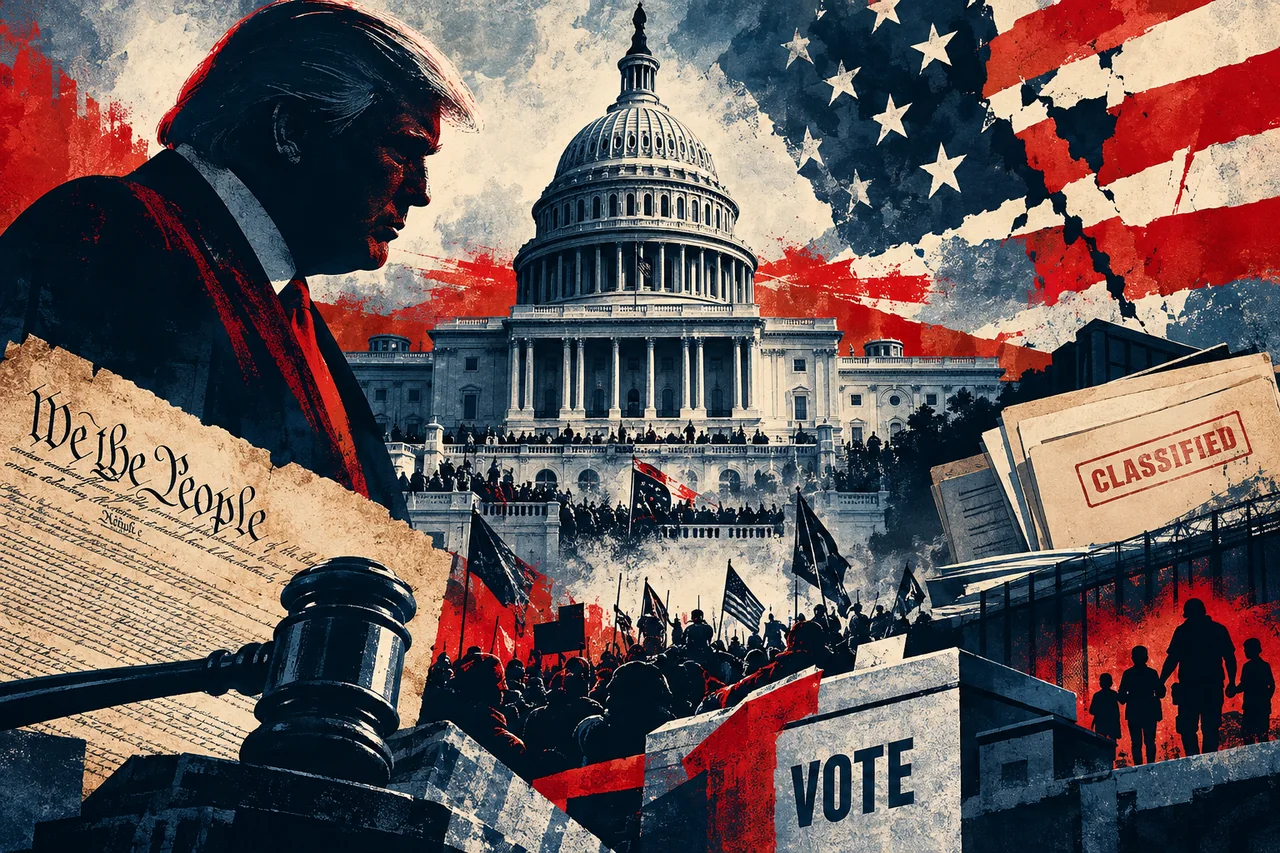
In the days before January 6, 2021, Trump and adviser John Eastman urged Vice President Mike Pence to reject electoral votes or delay counting them. Pence rejected that interpretation of his role. The House January 6 Select Committee documented those efforts through testimony, memoranda and public statements. The Capitol attack interrupted the joint session, which later resumed and certified the result.
Why the episode drew scrutiny
Trying to have a vice president alter the electoral count raises a fundamental question about adherence to electoral rules and the peaceful transfer of power.
Administration position and context
Trump and his advisers argued that unresolved state-election issues justified further examination and advanced an expansive account of Pence’s authority. Pence and his counsel rejected that theory. The select committee was a congressional investigation; its conclusions are not a criminal verdict.
Sources for this episode
- January 6 committee final report — Chapter 5 ↗
Congressional report. Where to look: Chapter 5, especially sections 5.1–5.4.
- Special Counsel report, Volume 1 (January 2025) ↗
Prosecutorial report. Where to look: Election-certification narrative; prosecutorial findings are not convictions.
Pressure on Justice Department leadership
Background
Trump repeatedly pressed senior Justice Department officials to support claims of widespread fraud after the 2020 election. The January 6 committee detailed the proposed replacement of acting Attorney General Jeffrey Rosen with Jeffrey Clark amid disputes over a proposed letter to states.
Why the episode drew scrutiny
Seeking the Justice Department's institutional backing for unsupported election claims threatened to transform federal law enforcement into a tool for reversing an election.
Administration response and qualifications
Trump asserted election problems warranted investigation. Senior DOJ officials testified they had not found evidence capable of changing the outcome; the congressional report reflects the committee's findings, not a judicial conviction.
Sources for this episode
- House January 6 Committee final report: DOJ pressure campaign ↗
Source type: Congressional testimony. Read the underlying material and its limits before drawing a legal conclusion.
- House January 6 Select Committee final report ↗
Congressional investigation with testimony; not a criminal judgment.
The committee documented pressure on Rosen and Donoghue, Jeffrey Clark’s proposed letter to Georgia legislators, and the contemplated replacement of Rosen. The letter was a proposal, not an actual DOJ finding or dispatched official warning. The account reflects a congressional investigation and testimony; do not describe it as a criminal judgment.
January 6 Select Committee final report, Chapter 4: Justice Department pressure ↗
The January 2 call to Georgia officials
Documented record
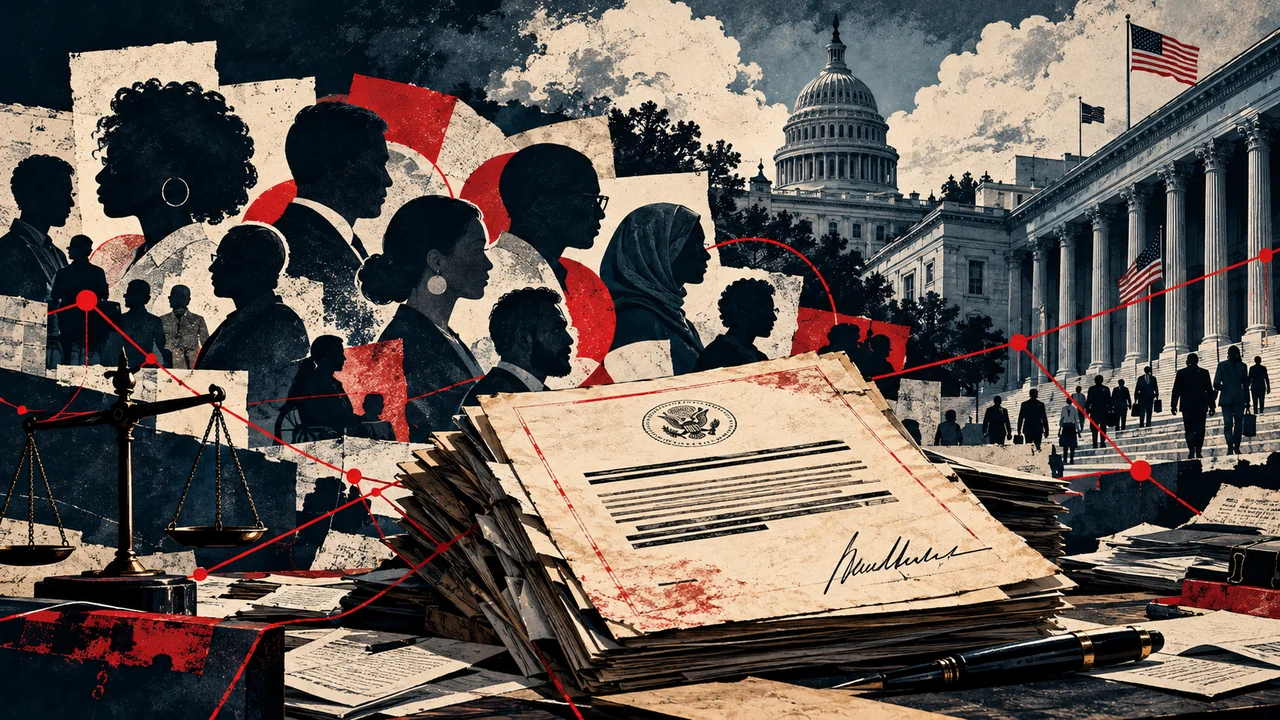
On January 2, 2021, Trump spoke with Georgia Secretary of State Brad Raffensperger and other officials in a recorded call after Georgia certified its 2020 presidential election result. Trump asked to “find 11,780 votes,” one more than his margin of defeat. Georgia officials disputed multiple fraud allegations raised during the call.
Why the episode drew scrutiny
The direct recording lets readers assess the pressure placed on a state election official rather than relying solely on characterizations by commentators.
Administration position and context
Trump and his lawyers said they believed the certified tally was inaccurate and sought investigation or correction. The words in the call document his request; standing alone, they do not resolve criminal intent or constitute a conviction.
Sources for this episode
- Recorded-call transcript — Roll Call / Factba.se ↗
Transcript and recording reference. Where to look: Search within the transcript for “11,780”.
- House January 6 Committee final report ↗
Congressional investigation. Where to look: State-official pressure section.
Original recording source
Washington Post: published call audio and full transcript ↗. Its published audio redacts one private individual’s name. The 37:49 timestamp refers to the Roll Call transcript timing, not necessarily every playback version.