Family separation at the southern border
Editorial record through October 30, 2026. Later developments are not reflected here.
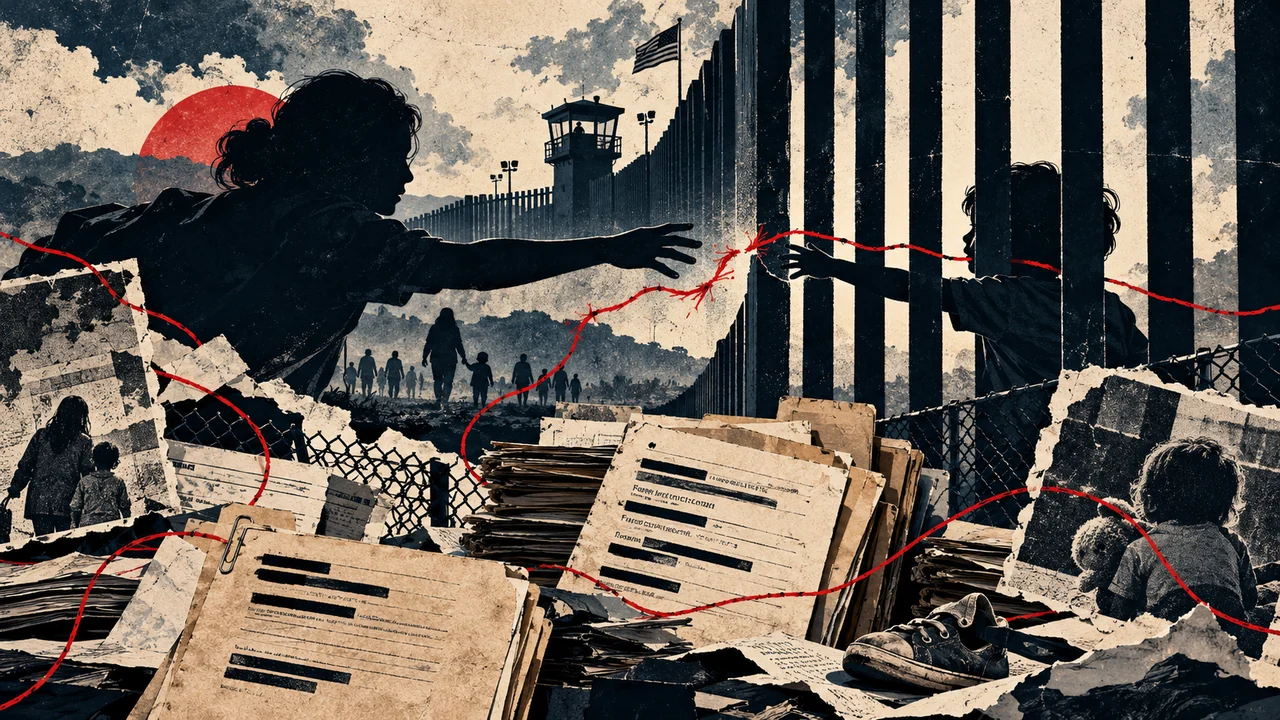
Remember when?
Under the 2018 zero-tolerance prosecution policy, approximately 3,000 children were separated from parents at the U.S.–Mexico border during a period examined by the Justice Department inspector general; other separations occurred outside that window. Government watchdog reviews documented failures in recordkeeping, communication and reunification planning.
What federal oversight actually found
The Justice Department inspector general examined how the 2018 zero-tolerance prosecution initiative was planned and coordinated with immigration and child-welfare agencies. Its findings addressed inadequate preparation for the predictable increase in family separations and problems in information-sharing needed to locate parents and children.
The policy linked a criminal-prosecution decision to a separate child-custody process. Critics argued that children bore severe consequences of enforcement decisions made about their parents. The administration defended prosecution of unlawful entry as an enforcement responsibility, but the inspector general findings raised distinct questions about planning and implementation.
The original inspector general report was issued in January 2021 and later revised in April 2022 to clarify several details, including attribution of a child-separation estimate. The number of affected children depends on the agencies and dates counted; figures from different reports should not be treated as if they measure the same population.
Why it matters
Separating families as a consequence of prosecution exposed children and parents to avoidable harm and left the government unable to promptly reunite many families.
Separating the legality of immigration enforcement from the administration’s responsibility to track and reunite families is essential. The operational failures warrant assessment on their own terms, irrespective of debates about border enforcement more broadly.
Administration response and important qualifications
The administration maintained that it was applying criminal immigration laws and deterring unauthorized entry. Those objectives do not resolve whether the policy design and implementation were justified.
Evidence and competing interpretations
The Justice Department inspector general examined the zero-tolerance policy and its implementation. Settlement materials establish subsequent litigation and efforts to create protections. The total number of separated children depends on the time period and agency scope.
Start with the evidence
- HHS Office of Inspector General: child separation reports ↗
Official oversight investigations; track pre-2018 separations separately from the 2018 zero-tolerance initiative.
- DOJ inspector general review of zero-tolerance planning ↗
Additional records and qualifications
The Justice Department’s October 16, 2023 announcement described a proposed settlement subject to court approval. That is no longer the final procedural status: the district court granted final approval on December 11, 2023 (docket entry 727). The agreement provides reunification and specified immigration-related and support services and limits future family separations; it does not itself award monetary damages. The settlement is not a criminal conviction or a determination of individual criminal liability.
Federal court docket — December 11, 2023 final approvalThe January 2021 DOJ inspector general report is report 21-028, examining zero-tolerance planning and coordination. Its findings should be distinguished from later civil settlement remedies. The inspector general report listing is separately available at Oversight.gov.
Oversight.gov — DOJ OIG report 21-028