Emergency-power tariffs rejected by Supreme Court
Editorial record through October 30, 2026. Later developments are not reflected here.
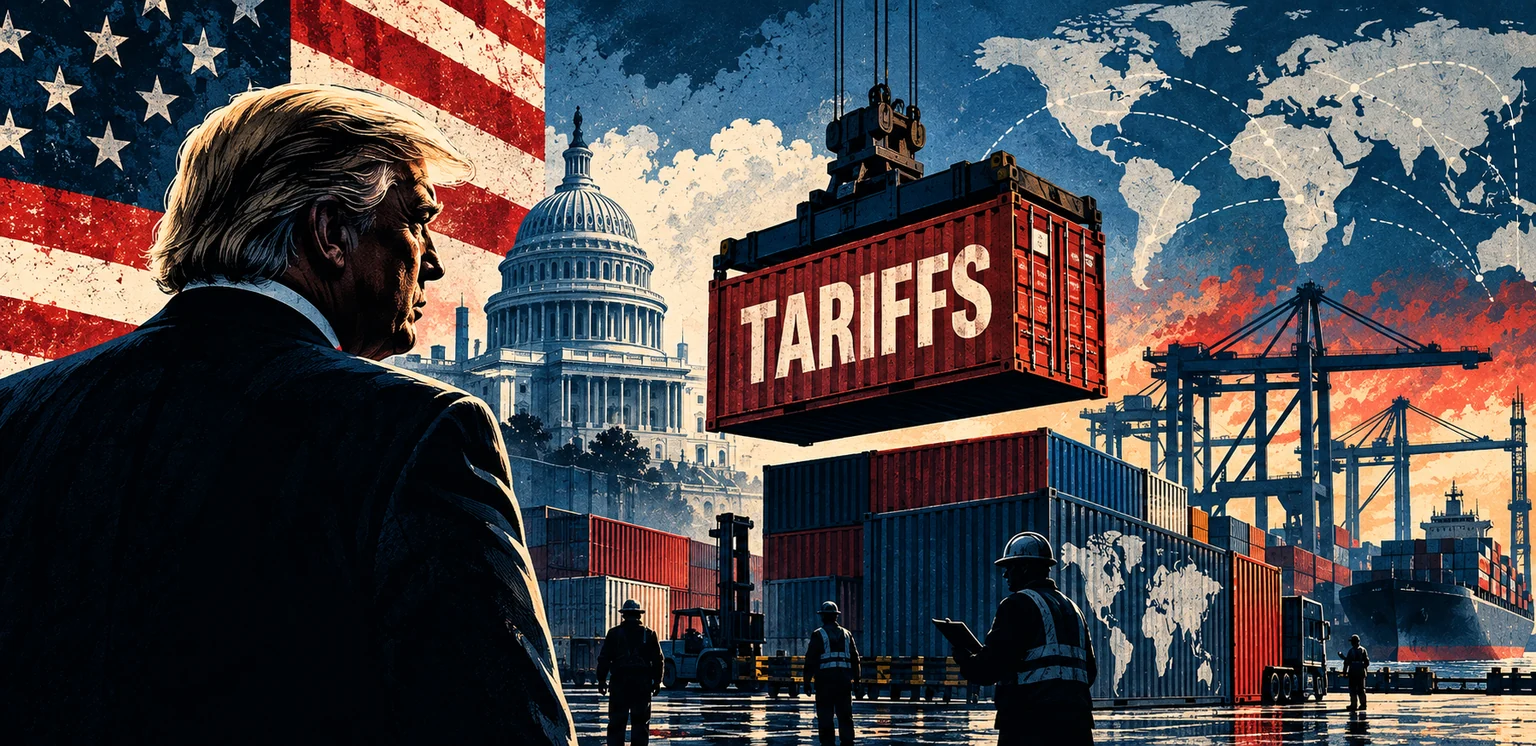
Remember when?
In 2025 President Trump invoked the International Emergency Economic Powers Act to impose tariffs tied to declared drug-related and trade-deficit emergencies. On February 20, 2026, the Supreme Court held in Learning Resources, Inc. v. Trump that IEEPA does not authorize the president to impose tariffs. That ruling addressed this statutory authority, not all tariff statutes.
Why it matters
Invoking emergency authority to impose taxes without clear congressional authorization raised separation-of-powers and economic-cost concerns.
The dispute illustrates why the legal basis for an executive action matters separately from its policy merits. Even those who favor protective tariffs must distinguish a congressional grant of taxing authority from a statute granting other emergency economic powers.
Administration response and important qualifications
The administration argued that tariffs were necessary to respond to international emergencies and that IEEPA provided broad power to regulate imports. The Court concluded the statute did not delegate the specific tariff power asserted.
Start with the evidence
Supreme Court opinion, official PDF (Feb. 20, 2026)
- Congressional Research Service: February 2026 Supreme Court tariff ruling ↗
- Supreme Court, Learning Resources v. Trump (Feb. 20, 2026) ↗
IEEPA did not authorize challenged tariffs; not a ruling that all U.S. tariffs are unlawful.
Further documentary context
The Supreme Court held that IEEPA does not authorize the President to impose tariffs. The Court affirmed the Court of International Trade judgment in the companion V.O.S. Selections case but vacated the District of Columbia judgment in Learning Resources and ordered dismissal for lack of jurisdiction. The merits holding does not invalidate tariffs under other statutory authorities.
Original document: Learning Resources, Inc. v. Trump (Feb. 20, 2026)